
|
| Rodent Printouts | EnchantedLearning.com Capybara |
Animal Printouts Label Me! Printouts |
Capybaras gather near the water in groups of about 20 animals; they spend a lot of time wallowing in mud. These social animals communicate using whistles and barks; they also produce glandular scents. These mammals have a life span of 8 to 10 years in the wild.
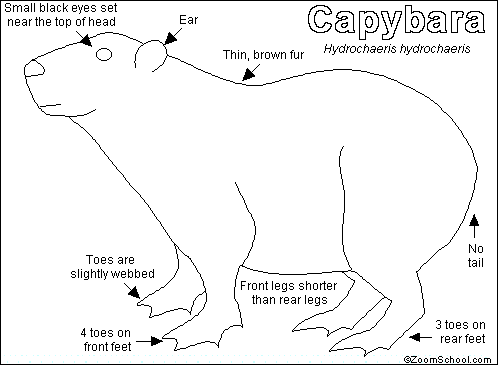
Anatomy: Capybaras range from 40 to 52 inches (102-132 cm) long and weigh from 60 to 100 pounds (27-50 kg). They have thin brown hair that dries off quickly. Webbed toes help the capybara swim.
Diet: Capybaras are herbivores (plant-eaters); they eat water plants, grasses, fruit, and grains. Like all rodents, their two front teeth continue to grow throughout their lives, and the capybara must gnaw and chew to wear these teeth down.
Reproduction: Females give birth to a litter of one to six young. Newborns weigh about 2 pounds (1 kg); they have hair and can see at birth. Capybaras are mature at about 1 1/2 years old.
Predators: Hunters of the capybara include the jaguar, caiman, ocelot, harpy eagle, large snakes (like the anaconda), and people (who eat capybara). When in danger, the capybara goes into the water; it is a strong swimmer.
| Search the Enchanted Learning website for: |